
The described quilt from pledd.net net is a unique, personalized product, perfect as a gift for special occasions, such as the first visit of newborns and their parents. Here are some of its key features:
- Personalization - The blanket contains the baby's details, such as name, date of birth, time of birth, weight and height. This makes it not only a beautiful memento, but also something that evokes strong emotions in the parents.
- Practical use - The blanket is functional and can be used by both the baby and the parents, making it part of everyday routines.
- High quality - Made of organic cotton, which guarantees a soft and comfortable feel while being durable. The product is resistant to wear and tear and washing, reducing the risk of claims or damage.
- Long life - It is durable and children can use it for years, up to the age of six.
- Environmentally friendly - Pledd.net places great emphasis on environmentally friendly production, both in terms of materials and the manufacturing process itself.
- Variety of patterns and colors - Customers can choose from many patterns, including blankets with zodiac signs, which can also be considered as decorative elements. In addition, there are many colors to choose from, and if none fit, a custom-made color combination can be ordered.
- Special order - The quilt is made to order and is not stocked. All patterns and texts are knitted with a different thread, which guarantees durability and high quality.
This quilt is therefore not only a beautiful keepsake, but also a functional and elegant product, designed with both durability and environmental friendliness in mind, making it a unique gift for many years to come.
Alpaca – The Treasure of the Andes
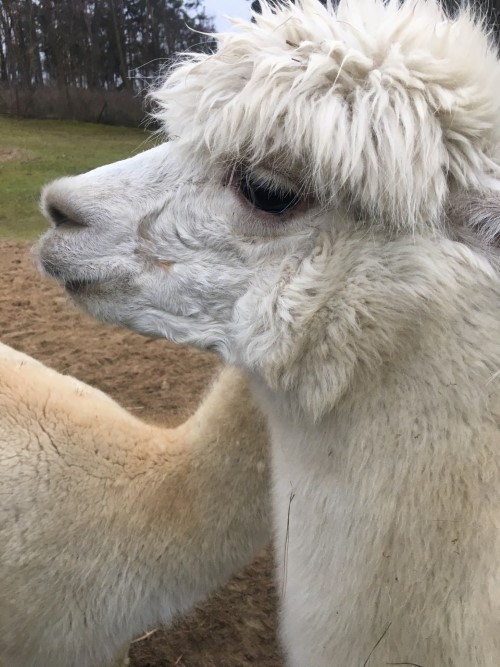
For many years, we at pledd.net have had the pleasure of producing alpaca products. An alpaca blanket and an alpaca poncho are staple items in our collection. We love it, and therefore, we want to share our observations about this fantastic yarn with you. We had planned a trip to Peru to experience the atmosphere surrounding its production, but the pandemic took that opportunity away from us. We hope that in the near future, we will be able to realize our plans.
What fascinates us most about this yarn is not only its unique properties, which we will discuss later, but also that the colors are natural colors from the alpaca’s fleece. From ecru to various shades of brown, chocolate, and finally a stunning black. Imagine a herd of alpacas grazing freely in different colors on the slopes of the majestic Andes... Isn’t that a beautiful sight?What makes the alpaca so special?
Here are some facts we want to share with you.
These wonderful creatures, scientifically known as *Lama Pacos*, have lived for over a thousand years in the highlands of the Andes, from 2500 to 4500 meters above sea level, in regions such as Peru, Chile, and Bolivia. With a population of around 4 million in Peru, which accounts for 75% of the world’s alpacas, they are an important source of income for thousands of families in these South American regions. These animals, which have been domesticated since ancient times, provide a fleece each year known as alpaca. They are small animals, standing 80-90 cm tall. Their heads are small and rounded, with tiny ears, large eyes, and a sweet expression that captures the hearts of everyone who meets them.
There are two main types of alpaca: Huacaya and Suri. Huacaya is the dominant type, providing the most delicate fleece with a wide range of natural colors. It makes up 90% of Peru’s alpaca population. Nature could not have designed a better insulation fiber than alpaca. Without the special structure of their hair, these animals would not survive in the extreme weather conditions where temperatures can vary from +30 °C to -20 °C in a single day.
Alpaca is the warmest wool in the world.
It is appreciated not only for its thermal properties but also for its silky texture, softness, and durability. Alpaca is 3-5 times warmer than other wools. It is also worth noting that it is more durable in use than merino wool and other fibers. An alpaca blanket can be used for several years without losing its unique properties. This yarn is considered one of the most luxurious in the world.
Why do we recommend baby alpaca blankets?
Baby alpaca is a fiber considered one of the most exclusive. It is obtained from one- or two-year-old animals, mainly from their sides and neck. Its thickness ranges from 20 to 22.5 micrometers. This variant makes up about 25% of all alpaca production.
Alpaca and Ecology
Alpacas graze only on the tips of grasses and other plants that naturally occur in high-altitude marshlands. They do not pull plants from the ground, which causes less disruption to vegetation and allows grasses to regrow. Unlike, for example, cashmere goats and sheep, which have sharp hooves that damage pastures and soil, alpacas have two toes with claws on top and a soft pad under each foot, which minimizes their impact on pastures. The alpaca's natural habitat is around 2800 meters above sea level, where water supply is natural and the land is generally unsuitable for cultivation.
The native people of the Andes harvest this high-quality alpaca fiber every 12 months, during the shearing season from November to March, without harming the alpacas. The collected wool is hand-sorted by skilled workers, allowing for the creation of 15 natural colors of fibers. Due to the alpaca’s diet, these fibers consist only of protein and are therefore 100% biodegradable in a very short time, unlike synthetic fibers, which take a very long time to decompose and have a negative impact on our environment.
Is it possible to produce fibers without burdening the natural world? The answer is ALPACA